 Skip to content

Lone Worker Safety: Tools and Strategies for Protection
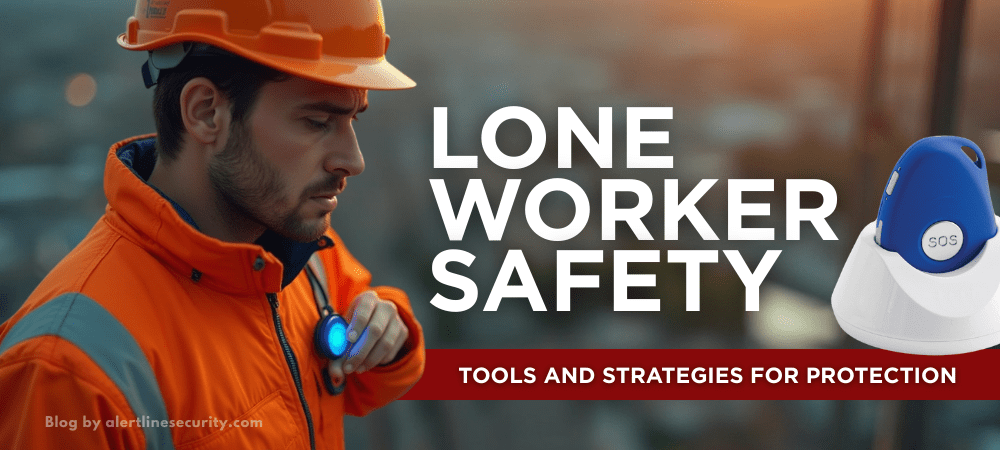
In today’s diverse workforce, many employees carry out their duties without direct supervision or immediate assistance—these are known as lone workers. From field engineers and delivery drivers to health visitors, maintenance staff, and security guards, lone working is becoming increasingly common across Ireland and beyond. However, working alone brings with it unique safety risks, and it is essential for employers to implement effective lone worker protection solutions to ensure the well-being of their staff.
In this blog, we’ll explore the challenges lone workers face, the legal obligations of employers in Ireland, and the tools and strategies available to protect lone workers in all industries.
What Is a Lone Worker?
A lone worker is someone who performs their job without direct supervision or in isolation from other colleagues. This can include people who:
- Work off-site, such as in clients’ homes or remote locations
- Work outside of regular hours, such as night shifts or early mornings
- Travel alone for work purposes
- Work in isolated areas within larger premises
While working alone does not necessarily pose greater risks than working with others, the lack of immediate support in case of accidents or emergencies can increase the severity of outcomes if proper safety measures are not in place.
Risks Faced by Lone Workers
Lone workers can be exposed to a variety of risks depending on their job role and working environment. These include:
- Accidents or injuries (e.g. slips, trips, falls)
- Medical emergencies with no immediate help
- Violence or aggression from members of the public or clients
- Environmental hazards (e.g. remote or high-risk locations)
- Fatigue and mental health challenges due to isolation
Recognising and assessing these risks is the first step in creating a robust lone worker protection solution.
Employer Responsibilities in Ireland
Under Irish health and safety law, employers have a duty of care to all their employees, including those working alone. The Safety, Health and Welfare at Work Act 2005 outlines employers’ obligations, which include:
- Conducting risk assessments specific to lone working roles
- Providing appropriate training and supervision
- Ensuring effective communication systems are in place
- Implementing measures to prevent foreseeable harm
Failure to provide adequate lone worker protection solutions in Ireland can not only lead to injury or loss of life, but also result in legal and financial penalties for businesses.
Lone Worker Protection Solutions: Tools That Save Lives
With advancements in technology, a wide range of lone worker protection solutions are now available to safeguard employees across different sectors. Below are some of the most effective tools being used in Ireland and worldwide:
1. Lone Worker Devices
Dedicated safety devices are specifically designed to support lone workers. These typically include features such as:
- GPS location tracking
- Panic/SOS buttons
- Man-down/fall detection
- Two-way audio communication
These devices are often small and wearable—worn as pendants, on belts, or integrated into ID badges—and they provide real-time alerts to a monitoring centre or designated contact in an emergency.
Popular in industries such as utilities, social care, and security, these tools are an essential part of a proactive safety strategy.
2. Smartphone Safety Apps
Not every company can invest in physical safety devices for all employees. In such cases, smartphone apps provide a cost-effective and flexible alternative.
These apps often include:
- Real-time check-ins
- Timed activities with fail-safe alerts
- Emergency SOS buttons
- Location tracking and geofencing
Some apps also integrate with wearables like smartwatches, allowing lone workers to activate emergency protocols discreetly. These digital lone worker protection solutions are ideal for mobile professionals such as field sales agents or home healthcare workers.
3. 24/7 Monitoring Centres
For both devices and apps to be effective, they need to be backed by a reliable response system. Many Irish businesses are now partnering with 24/7 monitoring services that respond instantly to alerts.
When an emergency signal is triggered, the monitoring centre can:
- Call the employee to assess the situation
- Dispatch emergency services if needed
- Notify line managers or designated contacts
This professional oversight ensures that lone workers never face danger unsupported.
4. Check-In Procedures and Buddy Systems
Not all lone worker safety strategies need to be high-tech. Simple yet effective practices such as regular check-ins (via phone, SMS or app) and buddy systems can provide essential oversight for short-term or low-risk lone working scenarios.
These methods are especially useful in roles where employees frequently move between locations or in organisations just beginning to implement lone worker policies.
Building a Lone Worker Safety Strategy
Implementing a lone worker protection solution in Ireland requires a structured approach that includes planning, training, and ongoing evaluation. Here’s a step-by-step guide to building an effective lone worker safety programme:
Step 1: Risk Assessment
Start by identifying all lone working roles in your organisation and evaluating the specific risks they may face. Consider:
- Location and environment
- Job activities
- Duration of lone working
- History of incidents or complaints
Document your findings and use them to prioritise areas for improvement.
Step 2: Choose the Right Tools
Select tools that suit your team’s needs. Some workers may require discreet wearable alarms, while others might benefit from mobile apps with GPS tracking. Ensure the tools you choose:
- Comply with GDPR and Irish data protection laws
- Offer user-friendly interfaces
- Are supported by a strong customer service or monitoring team
Step 3: Training and Awareness
No system is effective without proper training. Employees must understand how to use their devices, respond in emergencies, and follow check-in procedures. Managers should also be trained to handle alerts and respond appropriately.
Step 4: Regular Review and Feedback
No system is effective without proper training. Employees must understand how to use their devices, respond in emergencies, and follow check-in procedures. Managers should also be trained to handle alerts and respond appropriately.
Industry Examples in Ireland
Several sectors in Ireland have made significant strides in protecting their lone workers. For instance:
- HSE community health workers now carry personal alarm devices with two-way audio and GPS.
- Utility and maintenance companies use lone worker apps and tracking systems to monitor engineers in remote locations.
- Private security firms deploy guards with panic alarms and motion sensors for night patrols.
These examples show how integrating lone worker protection solutions in Ireland can prevent incidents, speed up response times, and provide reassurance for both staff and management.
The Human Impact
Behind every device and safety protocol is a human being with family, friends, and colleagues. Lone workers often feel vulnerable, especially in high-risk environments. Implementing the right protection tools shows employees that their safety is a priority and helps build trust and morale across your organisation.
Beyond compliance, investing in lone worker protection solutions is simply the right thing to do.
Conclusion
The nature of work is evolving, and so too must our approach to safety. As more people work alone—whether on the road, in a client’s home, or after hours—the need for effective lone worker protection solutions has never been greater.
For employers in Ireland, embracing tools like wearable alarms, safety apps, and 24/7 monitoring isn’t just about fulfilling legal obligations. It’s about empowering staff, reducing risk, and fostering a culture of care.
Whether you’re a small business owner or a corporate safety manager, now is the time to explore the best lone worker protection solution Ireland has to offer—and safeguard the people who make your business possible.
SEND US MESSAGE
RECENT POSTS
A practical guide for data centre operators, facility managers and IT decision-makers across the UK and Ireland...

A practical, professional guide for event organisers, venue managers and corporate/festival/ conference planners across Ireland and the UK...
Every year, thousands of Irish homeowners lock up, head for the airport, and spend the first evening of their holiday...
Personal alarms for seniors let an older person call for help at the press of a button, day or night,...
