 Skip to content

How 24/7 Proactive CCTV Monitoring Can Transform Your Business Security
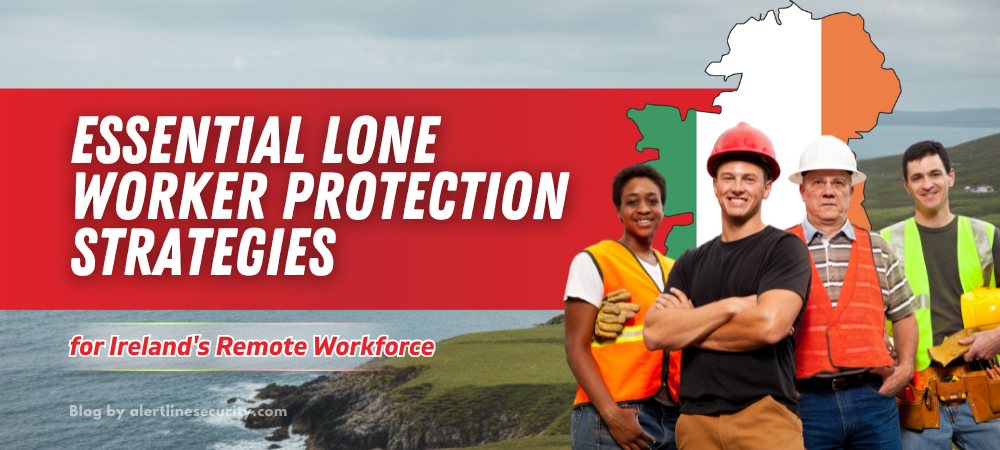
In recent years, the rise of remote working, home-visits, late-night shifts and solo site-visits means many employers in Ireland now rely on staff working alone. Whether in retail, social care, maintenance, property inspections or service delivery — lone working is no longer limited to traditional high-risk industries. Given this shift, ensuring lone worker safety in Ireland must be a priority. Implementing robust protection strategies demonstrates corporate responsibility and helps meet legal obligations.
Understanding “Lone Worker” under Irish Law
In Ireland, a “lone worker” means any person working by themselves — without direct or close supervision, colleague support or immediate access to assistance — whether in fixed premises, on-site visits, remote locations or outside normal working hours.
It is perfectly legal for employees to work alone — but the responsibility lies with the employer to ensure that the work can be carried out safely. Under Safety, Health and Welfare at Work Act 2005, specifically Section 19, an employer must conduct a proper risk assessment before permitting lone working.
If the assessment reveals significant or unacceptable risks, then the employer must reconsider whether that work should be done by a lone worker — or provide sufficient safeguards.
Thus, having a clear policy on lone working is not optional — it is a core duty for any organisation employing staff who may be working alone.
Why Lone Worker Safety Matters in Ireland Now
The nature of work in many sectors is changing: remote working, flexible hours, service-based roles, and reduced staffing levels mean more employees find themselves alone while working.
This shift brings new risks — not just accidents or emergencies, but health incidents, sudden medical issues, exposure to aggression or intruders, lack of welfare facilities, or delays in getting help.
For businesses, beyond the moral duty to protect staff, failing to provide proper lone-worker safeguards can have legal and reputational consequences. For workers, lack of protection can lead to stress, anxiety, or serious safety hazards, particularly when working in isolation or remote locations.
Given these realities, a proactive approach to lone worker protection Ireland is not just recommended — it is essential.
Core Strategies for Lone Worker Protection
Below are key strategies every employer in Ireland should adopt to protect lone workers — whether remote, mobile, or working off-hours.
1. Core Strategies for Lone Worker Protection
- Start by identifying all roles where lone working occurs — remote work, home visits, solitary shifts, travel, night work, etc.
- For each such role, conduct a formal risk assessment — considering environment, travel, emergency response, potential violence, first-aid access, welfare facilities, communication, and ability to call for help.
- If the assessment shows the risks cannot be adequately controlled, then avoid assigning lone workers — or apply stronger safeguards.
- Develop a written Safety Statement based on the risk assessment, outlining how safety and welfare will be managed for lone workers. Under the 2005 Act, this is a legal requirement.
This policy should define what constitutes lone work in your organisation, roles covered, procedures to follow, emergency protocols, and responsibilities of both employer and employee.
2. Training, Communication & Supervision
Even though lone workers operate without direct supervision, that doesn’t absolve employers of their duty to support them.
- Provide initial and refresher training on hazards, safe working practices, emergency procedures, first aid (if relevant), and how to use any safety devices.
- Establish regular check-ins or contact protocols: periodic calls, scheduled check-ins, or reporting-in systems — especially for remote or mobile staff.
- Create a culture where workers feel confident to report hazards, near-misses, or request assistance when needed. Open communication is vital.
3. Deploy Lone Worker Alarm Systems & Safety Devices
Modern technology offers powerful tools to enhance safety for lone workers. Consider integrating lone worker alarm systems for businesses tailored to the risk level. Some features to prioritise:
- Panic buttons or alarms — discreet alerts to call for help when under threat or in emergency.
- GPS tracking and real-time location — crucial for mobile or field workers, enabling fast response if something goes wrong.
- “Man-down” or fall detection sensors — automatically triggers alert if a worker becomes incapacitated or falls and cannot press the button.
- 24/7 monitoring or response-centre support — for high-risk roles, having an external monitoring service can ensure help is mobilised quickly.
Using such tools transforms lone working from a vulnerability into a managed risk — offering reassurance to both employer and employee.
4. Emergency Planning, Welfare & Well-being Supports
Safety plans must go beyond prevention — they should prepare for emergencies and support the well-being of lone workers.
- Ensure that lone workers have clear emergency procedures — how to call for help, what to do in case of illness, accident or threat, and how to return to safety.
- Provide first-aid kits, welfare facilities (if working at a site), and access to hygiene, rest or support when needed.
- Consider the mental health and isolation aspect: lone workers may feel vulnerable or anxious. Encourage regular contact, peer support, and an open safety culture. While not always mandated, this is part of good employer practice.
5. Monitor, Review & Update — Continuously
Lone working risks and workplace conditions can change over time. Therefore:
- Review risk assessments and safety policies regularly — at least annually, or after any incident or significant change in working conditions.
- Re-train staff, test emergency procedures, and review if safety devices or alarm systems remain fit for purpose.
- Engage with lone workers themselves — get feedback, understand real-world challenges, and adjust the approach accordingly. A collaborative process helps build trust.
Implementing a Lone-Worker Protection Strategy: What Employers Should Do First
- Map all job roles and contexts — identify which employees are lone workers (remote, mobile, out-of-hours).
- Carry out risk assessments for each role, evaluating hazards, environment, welfare, emergency access, communication, and exposure.
- Draft or update your Safety Statement and Lone Worker Policy — clearly defining what is permissible, what equipment is required, and emergency procedures.
- Choose suitable safety devices or systems — based on risk level, location, and nature of work: panic alarms, GPS tracking, man-down detection or monitored alarm systems.
- Provide training and communication protocols — induction training, regular check-ins, open reporting culture, and welfare support.
- Test procedures and review regularly — simulate emergencies, test alarms, update policies as work or risk changes, and gather feedback from workers.
Benefits of Prioritising Lone Worker Safety in Ireland
- Legal compliance: adhering to the Safety, Health and Welfare at Work Act 2005 ensures employers meet their legal duties to all staff — including those working alone.
- Reduced risk of accidents or incidents: with proper planning, welfare, and safety devices, the likelihood and severity of accidents, emergencies or threats decrease.
- Employee confidence and well-being: workers feel safer, supported and valued — which can improve morale, retention, and productivity.
- Reputation and trust: businesses that proactively protect lone workers demonstrate responsibility, which strengthens stakeholder trust and can reduce liability or insurance risks.
- Operational continuity: with proper systems in place, emergencies can be handled swiftly, reducing downtime and ensuring staff safety even in remote or high-risk scenarios.
Conclusion
As working patterns in Ireland evolve — with more remote work, off-hour assignments, and independent site visits — protecting lone workers is no longer optional — it is central to responsible, modern business practice.
By combining a robust risk-assessment process, a clear written policy, effective training, and modern lone worker alarm systems for businesses, employers can significantly reduce risks. Add to this proper welfare support, emergency planning, and regular review — and organisations can ensure true lone worker safety in Ireland.
If you’re an employer or safety manager, take the time now to review your lone-worker roles, update your safety statements, and consider implementing alarm or monitoring solutions. Protecting lone workers is not just about meeting legal obligations — it’s about making sure every employee gets home safely.
SEND US MESSAGE
RECENT POSTS
In recent years, the rise of remote working, home-visits, late-night shifts and solo site-visits means many employers in Ireland now...
In today’s rapidly changing security landscape, businesses across Ireland face increasing risks—from theft and vandalism to trespassing, fraud, and internal...
As the world becomes increasingly digital and interconnected, security challenges continue to evolve at an unprecedented pace. From sophisticated cyberattacks...
In today’s fast-moving world, security needs go far beyond simple camera setups. Businesses, events, residential properties, and even vulnerable individuals...
